
Entrepreneurial Mindset Network: Asia Pacific
Explore real-world insights, reflect on your practice, and find inspiration for actionable change
Entrepreneurial Mindset Network: Asia Pacific is a collection of articles that were originally published in the online EXPRESS magazine.
EXPRESS is the online magazine published three times a year by the Entrepreneurial Mindset Network. Since its launch in 2018, it has established itself as a dynamic and inclusive global platform, featuring contributions from authors in 62 countries.Entrepreneurial Mindset Network is an international community of practice for the creation of value in society through the use of the entrepreneurial mindset by higher education leaders, intrapreneurs, public policy innovators, business owners, ecosystem builders and learning innovators.Paul Coyle is the Founder and Executive Director of the Entrepreneurial Mindset Network and the editor of the Express magazine. He is an expert in the entrepreneurial mindset, innovation, entrepreneurship, leadership and organisational change.
RI:SE Development Framework
To date 24 articles have been published in the EXPRESS magazine, in which authors from Asia Pacific countries have showcased their application of the entrepreneurial mindset in six pillars: - higher education leadership, intrapreneurship, venture scalability, public sector innovation, inclusive ecosystems, and learning innovation.Use the Network's proven RI:SE Framework for your personal and organisational development.Reflect and Initiate: use the real-life lessons from the individual articles and the executive summary to reflect on your personal practice and to initiate new actions for improvement.Scale and Excel: the Network’s masterclasses and consultancy are designed to help an organisation scale entrepreneurial ways of working so it can excel in its innovation and impact.Executive Summary Here is an analysis summarising the key themes highlighted by the authors...
Synthesising findings across the Asia-Pacific region highlights significant commonalities in how educational institutions, entrepreneurs, and policy-makers adapt to rapid economic and technological shifts. The primary strength of such a comparative summary is its ability to surface shared frameworks—such as structured mindset mnemonics, design thinking, and university incubation models—that can be adapted across borders to foster social and economic value.However, a key limitation lies in the extreme economic, institutional, and cultural diversity across Asia-Pacific nations. The region encompasses advanced digital economies like Australia, New Zealand, South Korea, and Japan, alongside rapidly evolving middle-income economies like Vietnam and Malaysia, and developing or post-crisis contexts like Nepal, Tajikistan, Pakistan, and Sri Lanka. Startup operating environments range from high-tech research hubs focused on artificial intelligence to rural, resource-constrained settings relying on effectual bootstrapping, community green technology, or family business succession. Consequently, while high-level principles apply broadly, specific implementations must account for localized digital infrastructure gaps, cultural risk aversion, and varied regulatory or financial frameworks.Core Attributes of the Entrepreneurial MindsetAcross the sources, the entrepreneurial mindset is defined not merely as the act of founding a business, but as an adaptable set of attributes and self-regulated behaviours that drive innovation, resilience, and value creation across public, private, and non-profit sectors. A central foundational framework is the MINDSET mnemonic, which outlines seven core behaviours:Meet Real Needs: Ensuring products or services solve authentic market or community problems.
Innovate: Leveraging diverse perspectives to generate novel products, services, or frameworks.
Never Act Unethically: Maintaining strict ethical standards and rejecting exploitative practices.
Dare to Take Risks: Taking calculated risks to unlock otherwise unavailable opportunities.
Sell: Persuading stakeholders, inspiring action, and communicating value effectively.
Exercise for Productivity: Continuously optimising resource usage and operational efficiency.
Take the Initiative: Acting proactively rather than waiting for external direction.Beyond commercial acumen, authors emphasize the necessity of emotional intelligence (EQ), cultural intelligence (CQ) across global workforces, and strategic leadership to navigate uncertainty and break through glass ceilings.Artificial Intelligence and Digital TransformationThe emergence of artificial intelligence (AI) and rapid digitisation is reshaping youth entrepreneurship and business models throughout the Asia-Pacific region. Young entrepreneurs—acting as digital natives—are uniquely positioned to integrate AI as a collaborative core driver rather than a simple efficiency tool. Key developments and considerations include:AI-Human Collaboration: Utilizing AI for automated decision-making, predictive analytics, and personalised services in healthcare, retail, and education while preserving human creativity.
Ethical AI Governance: Navigating ethical AI adoption, preventing algorithmic over-reliance, and avoiding the homogenisation of creative ideas.
Digital Inclusivity: Expanding digital services to bridge the gap between large corporations and Micro, Small & Medium Enterprises (MSMEs), while mitigating the digital gender divide and infrastructure deficits in rural areas.Systemic Challenges Facing Regional EntrepreneursEntrepreneurs and educators across the region face interconnected cultural, financial, structural, and social hurdles:Cultural and Institutional Risk Aversion: Traditional societal pressure and fear of failure often deter young people from pursuing entrepreneurial careers, notably in contexts like Japan and Sri Lanka.
Financial and Capital Scarcity: High interest rates and cautious venture capital markets make securing early-stage funding difficult, particularly for social enterprises and startups in developing nations.
Academic and Bureaucratic Inertia: Many higher education institutions suffer from rigid academic structures, risk-averse administration, and faculty who lack practical industry or startup experience.
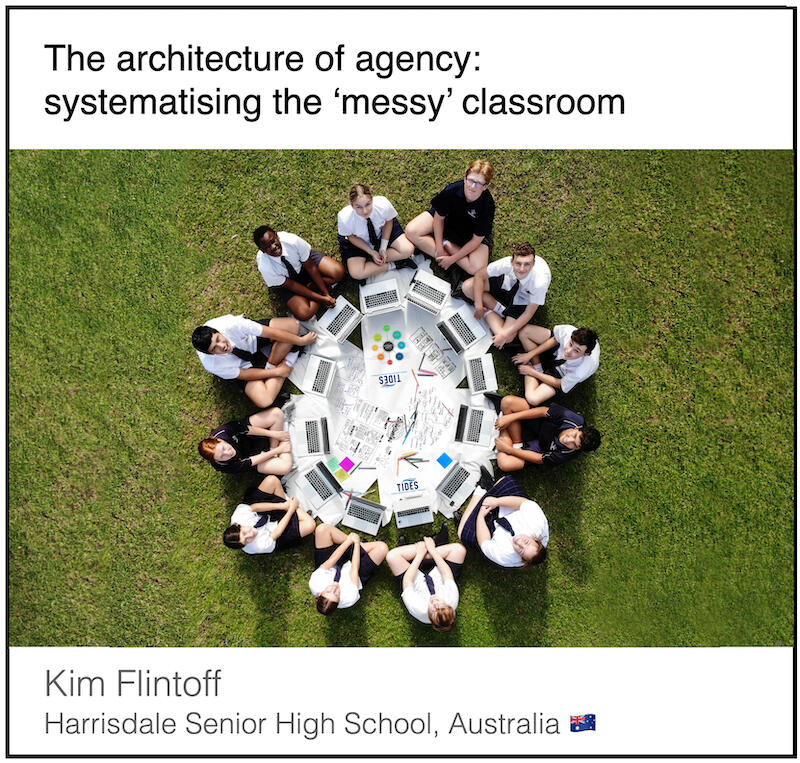
Demographic and Gender Barriers: Female founders encounter systemic cultural expectations, gaps in digital literacy, unequal access to STEM skills, and limited mentorship or funding networks.Educational Solutions and Experiential PedagogiesTo overcome these barriers, institutions are transforming educational frameworks from passive content delivery into active, experiential ecosystems:Design Thinking and Challenge-Based Learning: Programs like Australia’s TIDES and HEAP frameworks, or STEM4Innovation, engage students with "wicked problems" using human-centred design to foster personal agency and problem-solving.
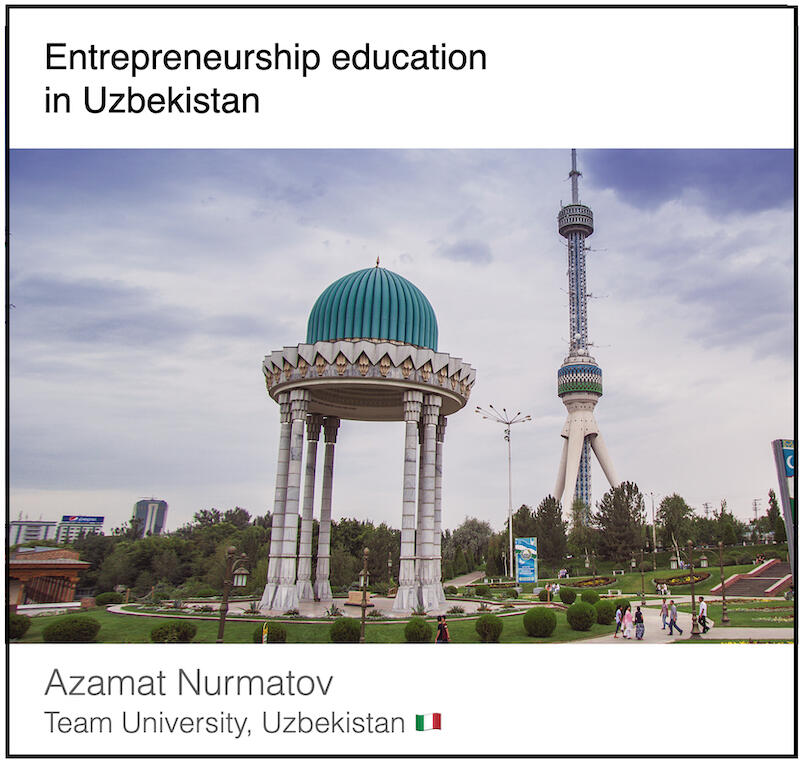
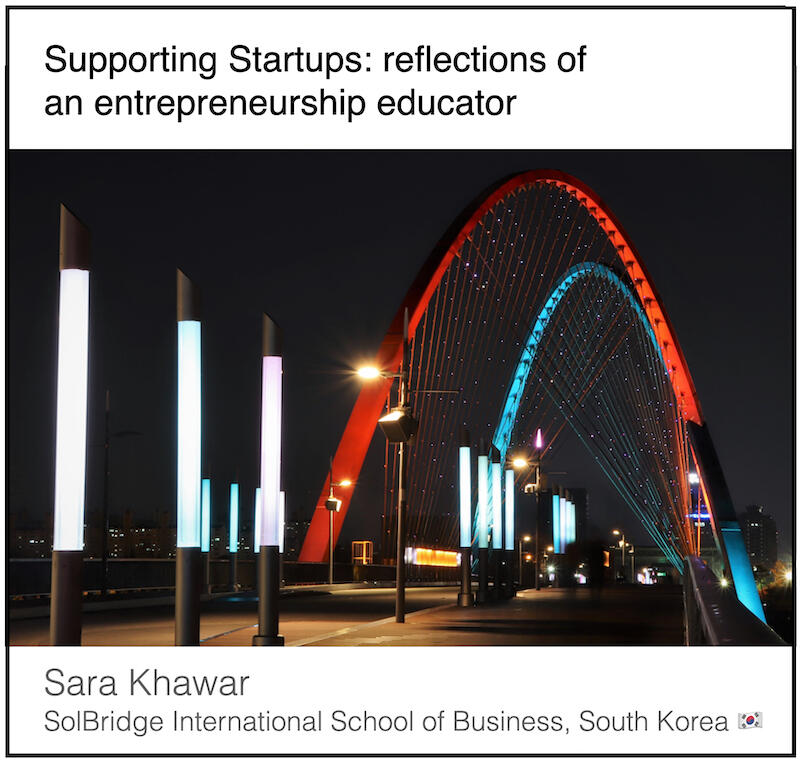
Incubation and Sandbox Infrastructure: Establishing dedicated hubs—such as the MINES sandbox at Management & Science University (Malaysia), the SolBridge Startup Centre (South Korea), TEAM University (Uzbekistan), and VinUniversity’s Entrepreneurship Lab (Vietnam)—provides structured pitch platforms, prototyping tools, and venture support.
Mentorship and Coaching Networks: Continuous mentorship provides a validation platform that helps student founders, female entrepreneurs, and early-career researchers build self-efficacy and pivot when necessary.Social Entrepreneurship and Sustainable Development Goals (SDGs)Entrepreneurship across the Asia-Pacific is increasingly aligned with the UN Sustainable Development Goals (SDGs), moving beyond pure profit to focus on social good and environmental resilience:Community Health Innovation: Models like Micro Healthcare Entrepreneurship (MHE) combine digital technology and social business to deliver affordable, preventative primary care in underserved areas of Bangladesh and Japan.
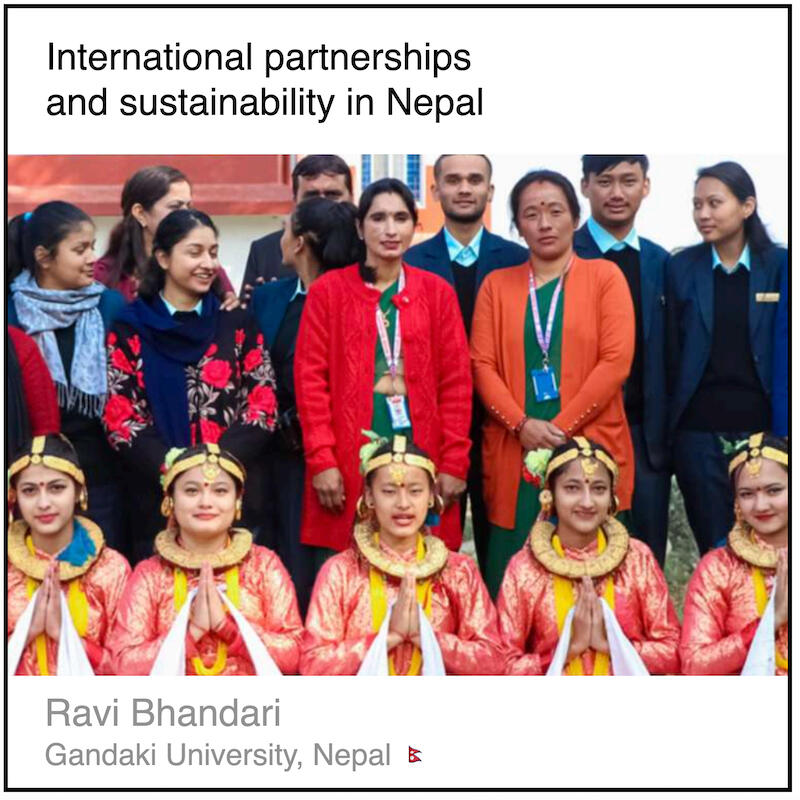
Green Tech and Climate Action: Initiatives such as Gandaki University's rural green technology projects in the Himalayas (Nepal) and Leyte Normal University's water and climate action research following Typhoon Haiyan (Philippines).
Sustainable Tourism and Circular Economy: Transitioning tourism models in Vietnam toward environmental preservation, waste reduction, and community empowerment.
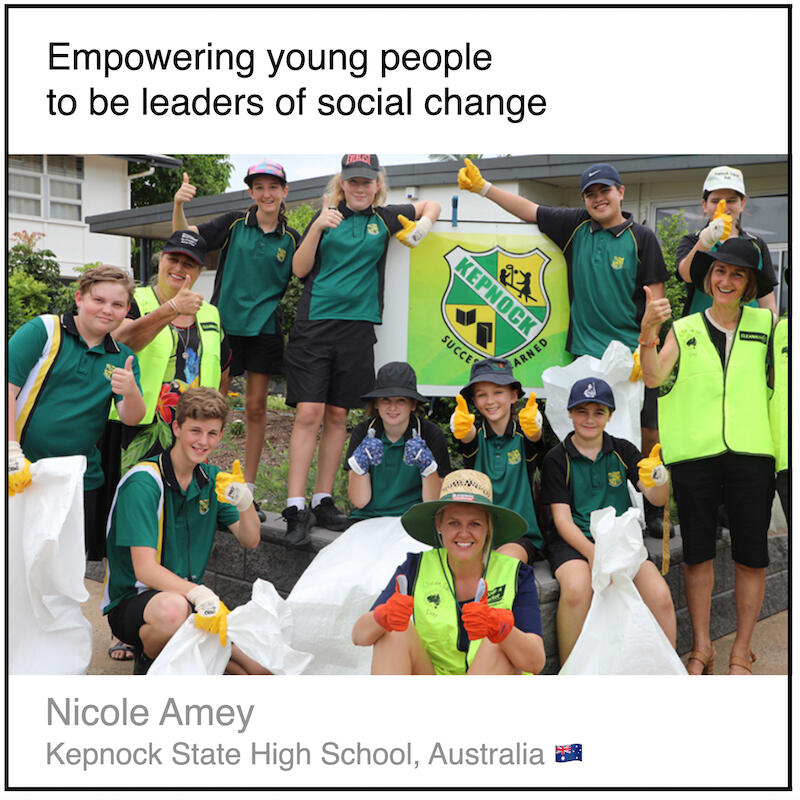
Inclusion of Marginalised Youth: Organisations like Connected Women Pakistan and First Nations youth enterprise projects (e.g. Kepnock State High School's Lighting the Spark program) empower marginalized groups to build sustainable cultural and economic ventures.Institutional Transformation and University-Industry LinkagesTo effectively foster entrepreneurship, higher education institutions themselves are adopting entrepreneurial modes of operation:Embedded Industry Ecosystems: University-industry partnerships—such as Management & Science University's industry-embedded curriculum or Murdoch University's Entrepreneur in Residence roles—ensure academic programs align with market needs.
Cross-Border Research Alliances: Initiatives like the AGREENTAJ project connect universities and enterprises in Tajikistan with Chinese industry partners to modernise agriculture through high-tech R&D and commercialisation.
Quality Accreditation: International recognition frameworks, such as the E-STAR Accreditation, benchmark and validate institutional commitment to embedding an entrepreneurial culture.Family Business Dynamics and Succession PlanningFamily businesses represent a critical pillar of regional economic activity, particularly in South and Central Asia:Governance and Succession Challenges: In countries like India and Uzbekistan, the majority of family enterprises are transitioning from first-generation founders to second-generation leaders, yet many lack formal governance structures or succession strategies.
Combining Theory and Practice: Integrating formal business management education (such as MBAs) with inherited practical industry exposure helps successors modernise operations, implement digital technology, and scale family enterprises sustainably.(Executive summary generated by Gemini Notebook).
Thank you to the authors for taking the time to share their inspiring stories from Australia, China, Hong Kong, India, Indonesia, Japan, Malaysia, Nepal, New Zealand, Pakistan, the Philippines, South Korea, Sri Lanka, Tajikistan, Uzbekistan and Vietnam.Click on any image to read the article on screen or to download a PDF.

List of references and authors
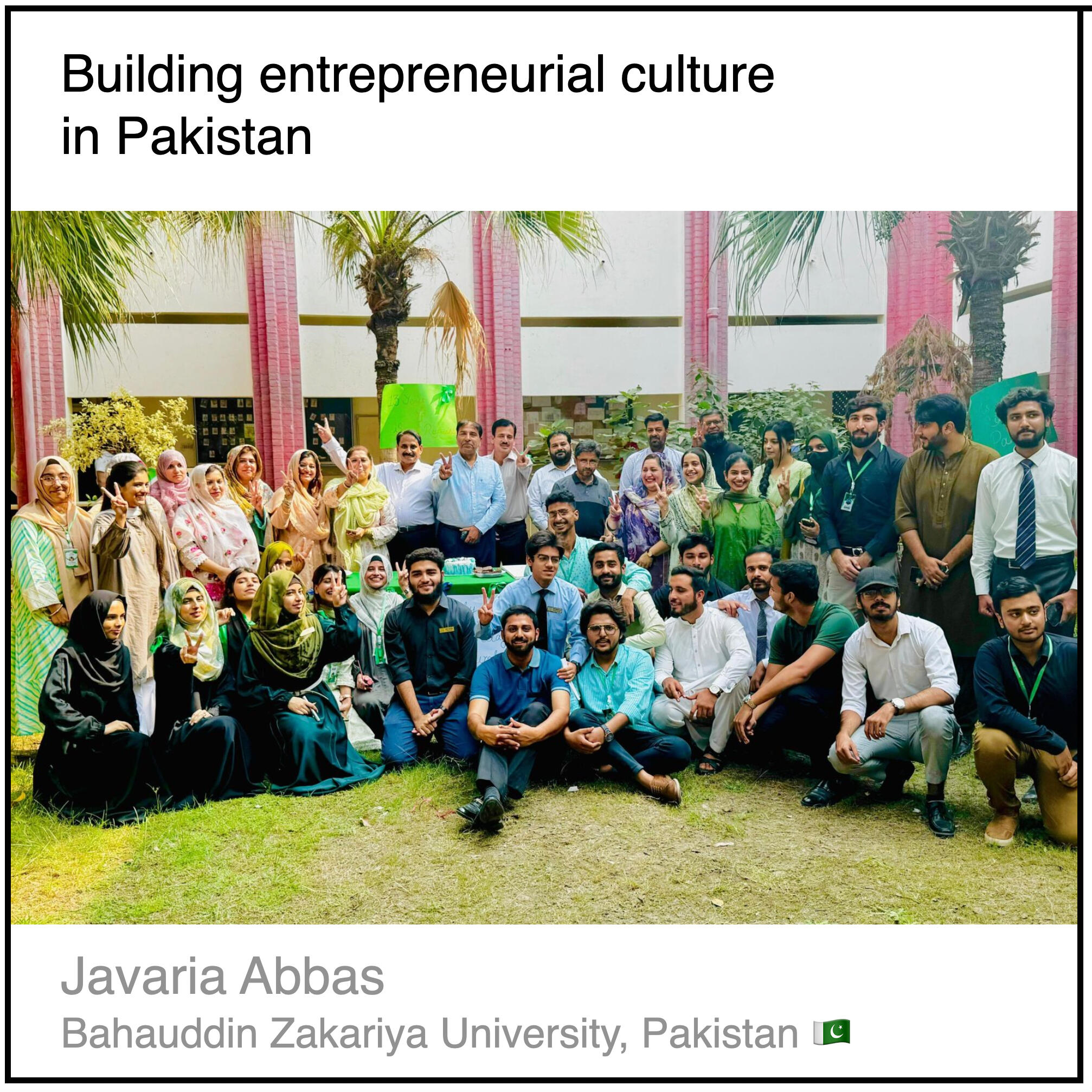
Copyright notice. You may quote, paraphrase or refer to information in these articles on condition that you credit the author and publisher by using the following references.Abbas, J. (2024). Building entrepreneurial culture in Pakistan. Entrepreneurial Mindset Network: EXPRESS 7(3). https://express-volume-7.entrepreneurial-mindset.network
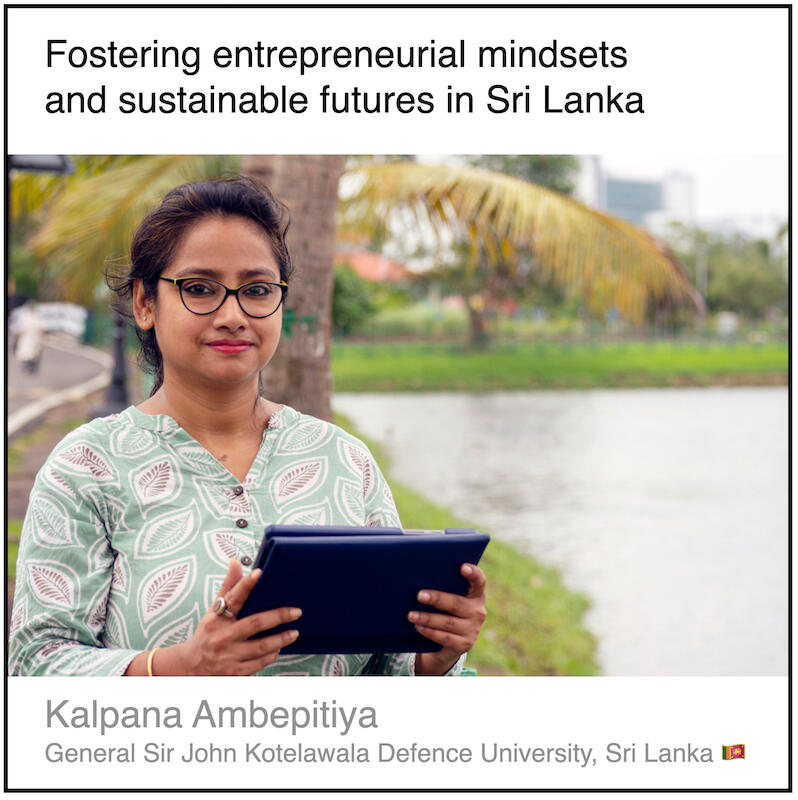
Javaria Abbas (Bahauddin Zakariya University, Pakistan) PDF linkAmbepitiya, K. (2025). Fostering entrepreneurial mindsets and sustainable futures in Sri Lanka. Entrepreneurial Mindset Network: Express 8(3). https://express-volume-8.entrepreneurial-mindset.network
Kalpana Ambepitiya (General Sir John Kotelawala Defence University, Sri Lanka) PDF linkAmey, N. (2022). Empowering young people to be leaders of social change. Entrepreneurial Mindset Network: Express 5(3). https://express-volume-5.entrepreneurial-mindset.network
Nicole Amey (Kepnock State High School, Australia) PDF linkBarakat, H., Bastian, B., Chan, C., and Coyle, P. (2021). Student entrepreneurs. Entrepreneurial Mindset Network: Express 4(3). https://express-volume-4.entrepreneurial-mindset.network
Hala Barakat (AUC School of Business, Egypt) and Bob Bastian (Università di Pavia, Italy) and Cyron Chan (CEO Class, Hong Kong) and Paul Coyle (Entrepreneurial Mindset Network, France) PDF linkBhandari, R. (2022). International partnerships and sustainability in Nepal. Entrepreneurial Mindset Network: Express 5(3). https://express-volume-5.entrepreneurial-mindset.network
Ravi Bhandari (Gandaki University, Nepal) PDF linkBowie, N., Brambilla, R., Coyle, P. and Omar, Z. (2021). Entrepreneurial mindset fundamentals Entrepreneurial Mindset Network: Express 4(2). https://express-volume-4.entrepreneurial-mindset.network
Neil Bowie (University of Dundee, Scotland) and Roberto Brambilla (UNICATT, Italy) and Paul Coyle (Entrepreneurial Mindset Network, France) and Zohra Omar (Independent consultant, Pakistan) PDF linkBüschges, S. (2022). Cultural intelligence in the workplace. Entrepreneurial Mindset Network: Express 5(1). https://express-volume-5.entrepreneurial-mindset.network
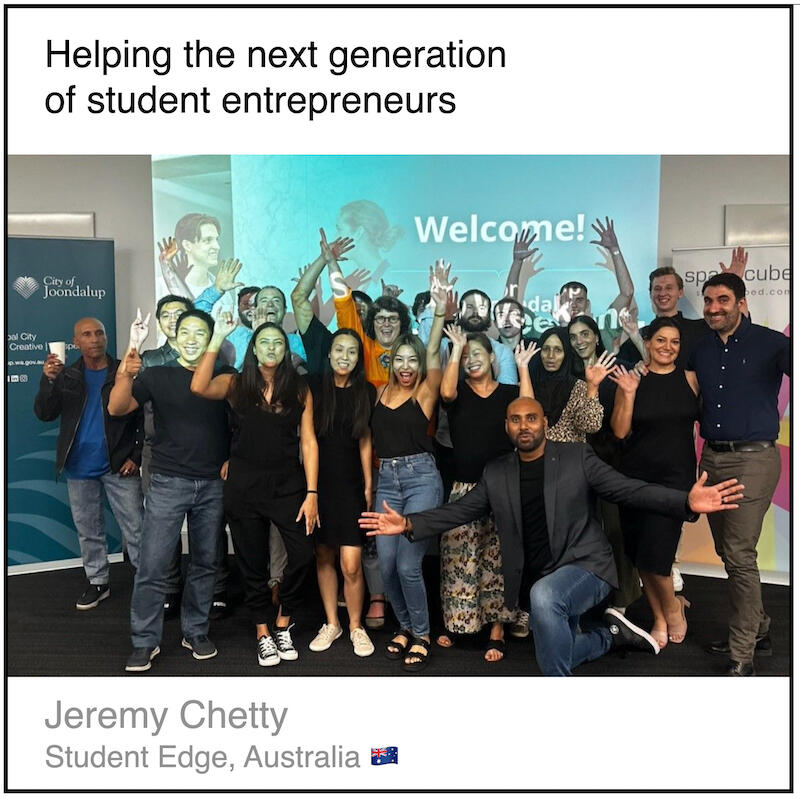
Simon Büschges (Peking University, China) PDF linkChetty, J. (2024). Helping the next generation of student entrepreneurs. Entrepreneurial Mindset Network: Express 7(1). https://express-volume-7.entrepreneurial-mindset.network
Jeremy Chetty (Student Edge, Australia) PDF linkCrispin, S. (2018). The entrepreneurship curriculum. Entrepreneurial Mindset Network: Express 1(1). https://express-volume-1.entrepreneurial-mindset.network
Stuart Crispin (University of Tasmania, Australia) PDF linkFang, M. (2022). An entrepreneurial mindset is essential for every business. Entrepreneurial Mindset Network: Express 5(3). https://express-volume-5.entrepreneurial-mindset.network
Marcela Fang (William Angliss Institute, Australia) PDF linkFlintoff, K. (2026). The Architecture of Agency: Systematising the ‘Messy’ Classroom through Entrepreneurial Ecosystems. Entrepreneurial Mindset Network: Express 9(1). https://express-volume-9.entrepreneurial-mindset.network/
Kim Flintoff (Harrisdale Senior High School, Australia) PDF linkGhafoor, A. (2025). Entrepreneurship, Young Minds, and AI Utilisation: The Next Business Evolution. Entrepreneurial Mindset Network: Express 8(1). https://express-volume-8.entrepreneurial-mindset.network
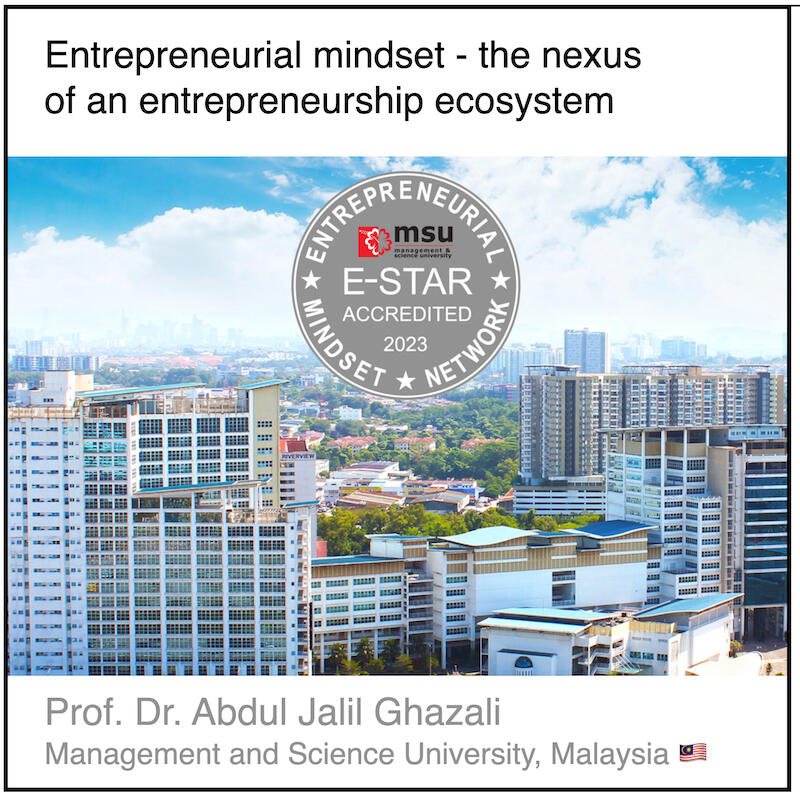
Azka Ghafoor (University of Otago, New Zealand) PDF linkGhazali, A.J. (2023). Role of universities in emerging entrepreneurial ecosystems. Entrepreneurial Mindset Network: Express 6(2). https://express-volume-6.entrepreneurial-mindset.network
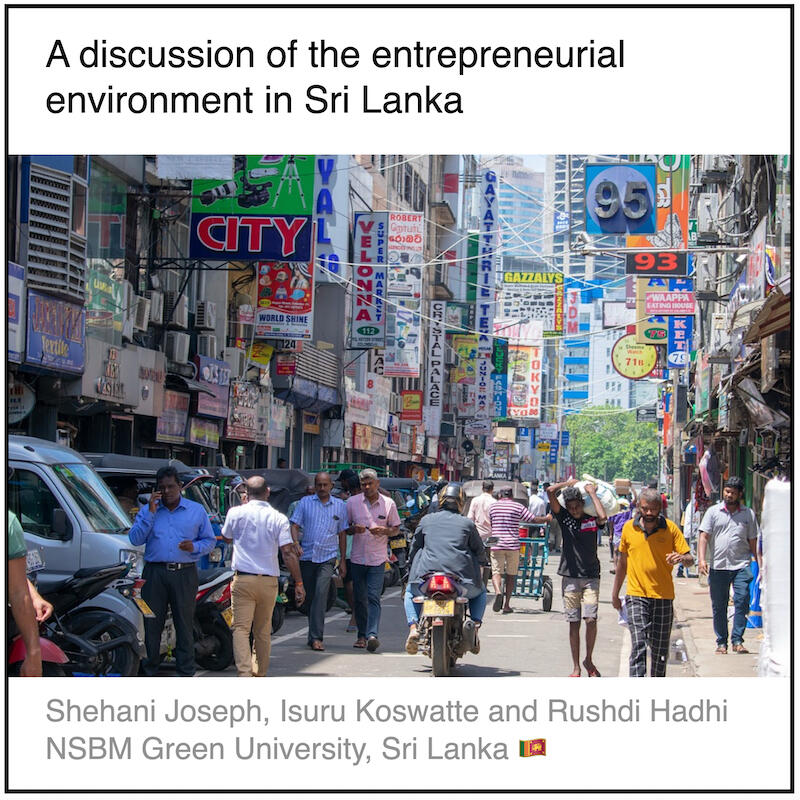
Abdul Jalil Ghazali (Management and Science University, Malaysia) PDF linkHadhi, R., Joseph, S., & Koswatte, I. (2024). A discussion of the entrepreneurial environment in Sri Lanka. Entrepreneurial Mindset Network: Express 7(1). https://express-volume-7.entrepreneurial-mindset.network
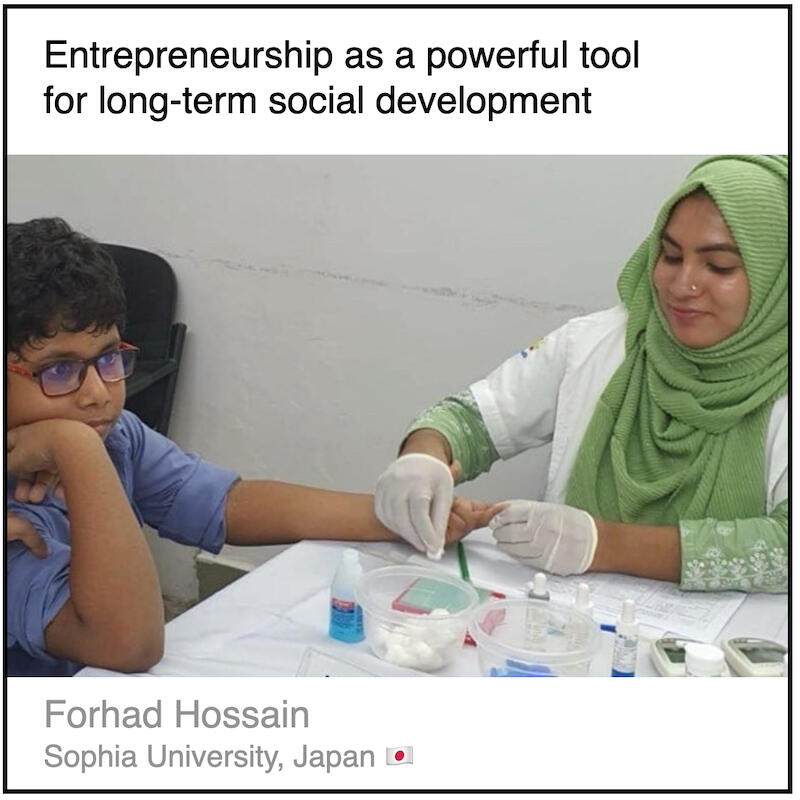
Shehani Joseph, Isuru Koswatte and Rushdi Hadhi (NSBM Green University, Sri Lanka) PDF linkHossain, F. (2025). Entrepreneurship as a powerful tool for long-term social development. Entrepreneurial Mindset Network: Express 8(2). https://express-volume-8.entrepreneurial-mindset.network
Forhad Hossain (Sophia University, Japan) PDF linkKhawar, S. (2026). Supporting Startups: reflections of an entrepreneurship educator. Entrepreneurial Mindset Network: Express 9(1). https://express-volume-9.entrepreneurial-mindset.network/
Sara Khawar (SolBridge International School of Business, South Korea) PDF linkMarsan, G.A. (2023). Innovation and the transition to inclusive digital economies in South East Asia. Entrepreneurial Mindset Network: Express 6(1). https://express-volume-6.entrepreneurial-mindset.network
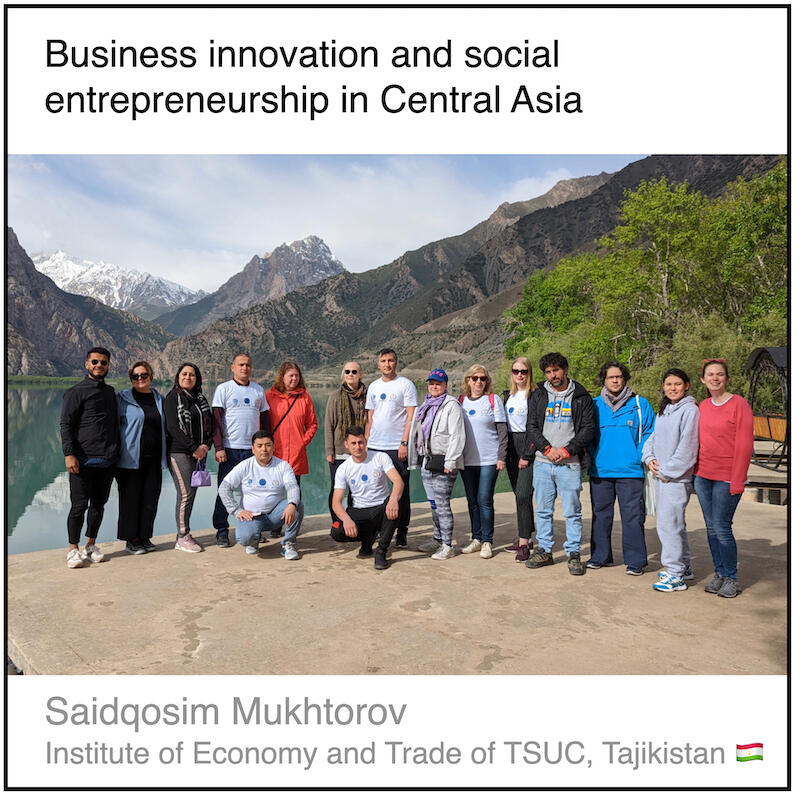
Giulia Ajmone Marsan (Economic Research Institute for ASEAN and East Asia, Indonesia) PDF linkMukhtorov, S. (2023). Business innovation and social entrepreneurship in central Asia. Entrepreneurial Mindset Network: Express 6(3). https://express-volume-6.entrepreneurial-mindset.network
Saidqosim Mukhtorov (Institute of Economy and Trade of TSUC, Tajikistan) PDF linkNurmatov, A. (2026). Entrepreneurship education in Uzbekistan. Entrepreneurial Mindset Network: Express 9(1). https://express-volume-9.entrepreneurial-mindset.network/
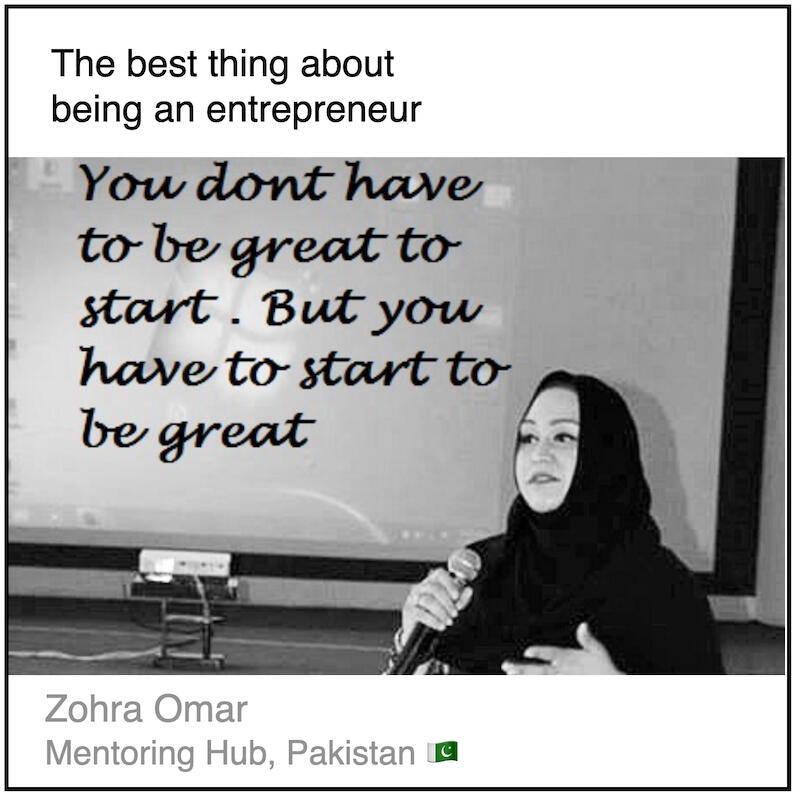
Azamat Nurmatov (Team University, Uzbekistan) PDF linkOmar, Z. (2020). The best thing about being an entrepreneur. Entrepreneurial Mindset Network: Express 3(1). https://express-volume-3.entrepreneurial-mindset.network
Zohra Omar (Mentoring Hub, Pakistan) PDF linkPhi, G. (2025). Innovation, entrepreneurship and sustainability in tourism. Entrepreneurial Mindset Network: Express 8(1). [https://express-volume-8.entrepreneurial-mindset.network
Giang Phi (VinUniversity, Vietnam) PDF linkShahid, S. (2020). Celebrating women founders in Pakistan. Entrepreneurial Mindset Network: Express 3(3). https://express-volume-3.entrepreneurial-mindset.network
Sharoon Shahid (Connected Women, Pakistan) PDF linkVarshney, N. (2022). Entrepreneurship and family business in India. Entrepreneurial Mindset Network: Express 5(3). https://express-volume-5.entrepreneurial-mindset.network
Nandini Varshney (Entrepreneurship Development Institute, India) PDF linkVillas, J. (2022). Research, innovation and community development in the Philippines. Entrepreneurial Mindset Network: Express 5(3). https://express-volume-5.entrepreneurial-mindset.network
Jonas Villas (Leyte Normal University, the Philippines) PDF link
This website is published by the Entrepreneurial Mindset Network © 2026 all rights reserved.
All the content on this website is written by humans.
Only the Executive Summary was generated using Gemini Notebook.